
Understanding a Red Eye Flight: Pros, Cons, and Tips

Traveling is definitely exciting but planning the same involves a lot of challenges which can sometimes lead to shelving the preferred dates. So, with considering various factors and exploring different flight schedules, you must have incurred a thought – What is a Red Eye Flight? Isn’t it?
Whether you are a frequent traveler or not, understanding what a red eye flight is can help you prepare better and make informed decisions. This detailed guide explains the meaning of red eye flights, makes you familiar with their advantages and disadvantages, and also addresses some common queries revolving around this topic.
Read on!
What Does Red Eye Mean in Flights?
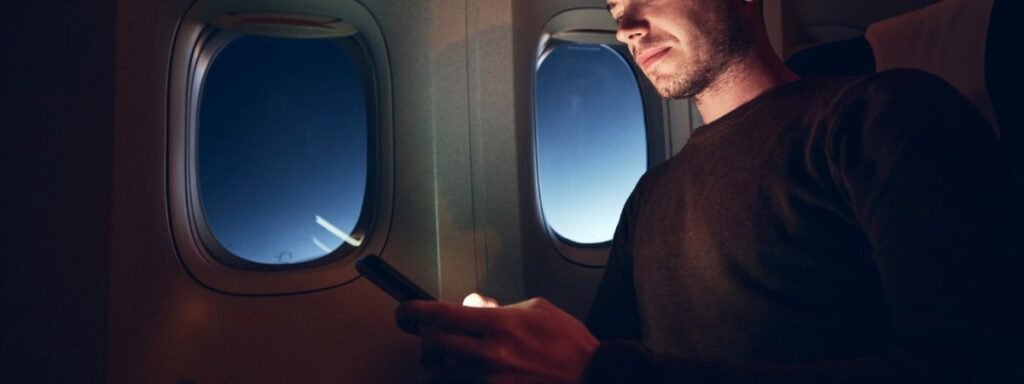
A red eye flight refers to an overnight flight that departs late at night and arrives at the destination in early hours next morning. The term “red eye” has been coined because travelers usually experience bloodshot eyes while flying in late hours and not getting adequate sleep. These flights generally operate from 10 PM to 6 AM including departure and arrival.
So, these are overnight journeys, allowing passengers to get some sleep during the flight and make use of their day after arriving at the destination.
This must have familiarized you with the red eye flight meaning.
Why Do Airlines Offer Red Eye Flights?
Offering red eye flights is a strategic move used by airlines. They need to fill seats during off-peak hours and also maximize aircraft utilization. And in fact, demand for these flights is generally low. So, the rates are cheaper. Travelers looking to save time and costs choose these flights.
Is a Red Eye Flight Cheaper?
Yes… absolutely! In fact, this is a major reason why travelers flying on a low budget book these flights. They tend to be more affordable than daytime flights. Airlines usually offer low prices for these flights to fill seats during less busy hours. Hence, they make them an economical choice for budget-conscious travelers.
Nevertheless, you need to be cautious, as prices can also vary depending on the route, time of year, and demand. It’s always beneficial for you to first compare fares and also check the related factors before you finalize reserving a red eye flight.
Advantages of Red Eye Flights

Here are some of the main factors due to which you can choose flying on a red-eye flight.
Time-Saving
Red eye flights depart late at night and arrive early in the morning. So, they enable you to maximize your daytime at the destination. This is especially beneficial when you travel for a business purpose and need to attend a seminar or meeting in day time.
Cost Savings
These flights are often more affordable than flights operating during peak hours in daytime. Airlines often provide them on discounts to fill late-night occupancy. So, it can be a budget-friendly option for you if you want to save money.
Less Crowded Airports
Since red eye flights are operated during late hours, you will definitely find less crowds at the airports. This means security queues are shorter as well as the check-in and boarding processes are quicker.
Suitable for Business Traveling
Business travelers who are on tight schedules generally prefer the convenience of overnight flights. So, if you are the one, you can arrive at your destination in the morning, attend meetings, and then proceed with your day efficiently.
Reduced Flight Disruptions
It’s true that fewer passengers travel during night. So, red eye flights experience less congestion at airports and on the runways. Ultimately, the passenger volume is low and thus, there are fewer chances of delays or cancellations. It helps you avoid some common disruptions associated with busy daytime flights.
Disadvantages of Red Eye Flights
Here’s what can prove to be a real challenge.
Improper Sleep
It may be difficult for you to get proper sleep on a red eye flight because of limited space, noise, and lighting. The environment can be uncomfortable or unsuitable, thus leading to poor-quality sleep and fatigue. You may feel exhausted or restless while you arrive at your destination. This can continue for days, especially if you are crossing multiple time zones. This can also lead to jetlag and reduce your productivity.
Discomfort and Limited Amenities
It would not be wrong to say that planes are not designed for sleeping and they have limited legroom. Seats can be uncomfortable, and personal space is also not there. So, taking rest can be challenging. Besides, amenities like pillows, blankets etc., may be limited.
Limited Refreshments
Food options can be limited during late-night flights. Also, the cabin service can be minimal. So, you may need to plan beforehand and bring your own snacks and drinks.
Airlines Offering Red Eye Flights
Many airlines operate red eye flights. You can read about some of the major red eye airlines operating in various regions.
- Asia: Cathay Pacific operates flights to Osaka and Tokyo Narita. All Nippon Airways operates these flights from Hong Kong to Tokyo’s Haneda on a daily basis. Asiana Airlines, Korean Air, and Cathay Pacific run these flights from Hong Kong to Seoul. Asiana Airlines also runs these flights to Busan. Philippine Airlines runs these flights from Korea and Japan and they arrive in Manila. You will also find flights from Manila to Kuala Lumpur and Singapore. Other Asian location flights include Turkish Airlines>>Istanbul from Maldives and Malé, Singapore Airlines>>Singapore from Maldives and Males, and Gulf Air>>from Bahrain to Malé, Maldives.
- United States and Canada: Red-eye flights in the United States connect West Coast cities to East Coast cities. These are operated by American Airlines, Delta Air Lines, Alaska Airlines, United Airlines, Air Canada, Southwest Airlines, and JetBlue, along with other U.S. and Canadian carriers. These flights depart from the West Coast from cities like Calgary, Los Angeles, Vancouver, San Francisco, Seattle, and more. The arrival destinations are New York, Boston, Washington, D.C., Toronto, and other East Coast cities.
There are also some flights departing between midnight and 2:00 AM. They go towards East Asian destinations such as Korea, China, Japan, Taiwan, and Hong Kong. Their arrival time is between 5:00 AM and 7:00 AM.
- Europe: These flights are run from Barcelona, Paris, Madrid, and Frankfurt in Europe. Flights from London Heathrow Airport to destinations such as Tel Aviv are also common among these. Besides, some long-haul flights leave from Europe and arrive in Asia in the morning the next day. For e.g., they depart from London at 2:00 PM and arrive in Hong Kong at 9:00 AM or 10:00 AM, depending on weather conditions.
- Latin America: LATAM Brasil, Gol Transportes Aéreos, and Azul Brazilian Airlines operate red-eye flights in Brazil. These flights operate between 10:00 PM and 6:00 AM. They start from Belo Horizonte, Brasília, Campinas, São Paulo, Rio de Janeiro, or Salvador and arrive in Belém, Manaus, Porto Velho, North America, Northeast Brazil, Argentina, and Europe.
- Australia: Red eye flights are operated from Perth to Brisbane, Sydney, Cairns, Melbourne, and Canberra. They also run from Darwin to Brisbane, Melbourne, and Sydney. Apart from this, red-eye flights to Australia are operated from different locations belonging to Southeast Asia and North America. The example is: Scoot Airlines flights from Singapore to Sydney, Melbourne, and Gold Coast.
- Russia: Russian Airlines also operates these flights that depart from Moscow around 6:00 PM and arrive in the eastern cities around 6:00 AM next morning.
Tips for Traveling on a Red Eye Flight
Your experience with traveling on a red-eye flight will definitely differ from that of a day time flight. So, here are some key tips to enjoy a comfortable journey.
Advance Preparations
Don’t forget to bring a neck pillow, eye mask, and noise-canceling headphones or earplugs.
Dress Comfortably
It is advised to opt for loose, layered clothing to adjust to cabin temperature changes.
Stay hydrated
You must keep drinking plenty of water as the cabin air can be dry.
Avoid Alcohol and Caffeine
It is better to avoid these things, as they can cause dehydration. You may not be able to get sleep during your flight.
Take Rest Upon Arrival
Take some rest after you arrive at your destination location, if possible. This will help you adjust to the local time zone and you will feel fresh while heading out.
Concluding Words
Understanding what a red eye flight is and why it is operated can help you decide whether this option fits your needs. Whether you want to maximize your travel time, save money, or you simply prefer overnight travel, red eye flights are a great option for you. While they come with the challenge of disrupted sleep and fatigue, careful planning and choosing the right airline can help you deal with such issues.
Whether you need to fly for business trips, vacations, or quick getaways, red eye flights can be a feasible option. However, don’t forget to take note of the advantages and challenges described above. Apart from this, also make sure to check prices beforehand, as sometimes, these flights may not be that cheaper due to high demand even at odd hours. These factors will help you prepare better and turn overnight journeys into smooth and comfortable experiences. Happy travels!
Frequently Asked Questions
A red eye flight is operated by an airline late at night and it arrives at its destination early the next morning.
A red eye flight means an overnight journey. These flights usually depart from 10:00 PM to 1:00 AM and arrive at their destination from 5:00 AM to 7:00 AM in the early morning.
Yes, red eye flights are a major part of the airline schedules operating worldwide. They are actually popular on transcontinental and international routes where overnight travel is considered beneficial.
Yes, these flights are cheaper as they are run during late night. Airlines use this strategy to fill the seats when demand is low and thus, the fares also drop. However, these flights may not be that cheaper when the demand for overnight journeys is high.
American Airlines, Delta Air Lines, Alaska Airlines, United Airlines, Southwest Airlines, and JetBlue are some of the major U.S. airlines operating red eye flights on transcontinental routes from the West Coast to the East Coast.
Red-eye flights are run across continents. Such flights between North America and Europe, within the US and Asia, are the most common ones. They connect important hubs like New York, Frankfurt, London, Singapore, and cities across Asia and the Middle East.
Recent Blogs
Latest Pages